Are you picturing a walkable block near downtown Bethlehem, or do you see yourself in a quieter neighborhood with more yard space? That choice is one of the biggest decisions many Bethlehem homebuyers face, especially because this city does not fit into a simple urban-versus-suburban box. If you are weighing convenience, home style, commute patterns, and day-to-day lifestyle, this guide will help you compare your options and narrow in on the right fit. Let’s dive in.
Bethlehem offers a spectrum
Bethlehem is a city of 79,644 people, with 31,052 households spread across 19.12 square miles, based on the July 1, 2025 Census estimate. It also spans both Lehigh and Northampton Counties, which adds to its layered local feel.
What matters most for buyers is that Bethlehem is not just one thing. City planning and zoning efforts support development in the core while also maintaining established neighborhoods and protecting environmentally sensitive areas. In practical terms, that means your experience can vary a lot from one part of Bethlehem to another.
Urban-style living in Bethlehem
If you want a more urban feel, Bethlehem’s downtown-adjacent areas often stand out first. The city’s plans highlight places like Northside, historic downtown, and the SouthSide Arts District as walkable, mixed-use areas with ongoing attention to streetscape improvements, trail connections, and added retail, service, and residential development.
Northside is a strong example of this pattern. The city describes it as a 0.4-square-mile walkable neighborhood with short, dense blocks and more than 5,500 residents in the plan’s ACS estimate. For many buyers, that translates to a more connected, on-foot lifestyle.
What urban-style living may offer
In Bethlehem’s core neighborhoods, buyers often value:
- Walkability to shops, restaurants, and civic destinations
- Historic character and older housing stock
- Easier access to trail connections and downtown amenities
- Closer access to LANTA stops, shuttle routes, and transit hubs
- Shorter trips for daily errands and entertainment
The city also points to cultural and institutional anchors in and around the core, including the Moravian District, the SouthSide Arts District, museums and historic sites, and partnerships with local colleges and universities. If you want daily life to include more activity close to home, these areas may feel like a strong match.
Suburban-style living in Bethlehem
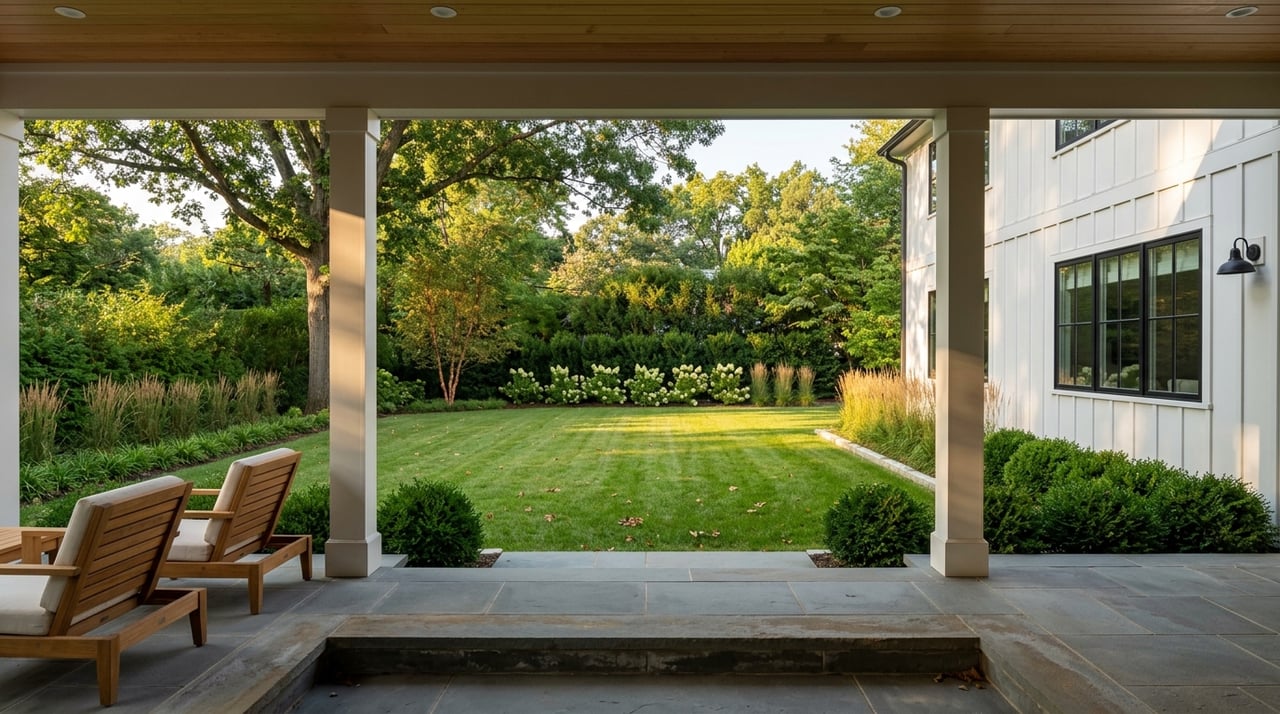
If your priorities lean more toward space and a calmer residential setting, Bethlehem also offers neighborhoods with a more suburban feel. Mount Airy on the West Side is the clearest city-documented example, with well-maintained single-family homes on large properties and many trees and shrubs.
This kind of setting can appeal to buyers who want more separation between homes, more outdoor space, and a quieter street environment. It is still Bethlehem, but it offers a very different day-to-day experience than the denser downtown core.
What suburban-style living may offer
In lower-density Bethlehem neighborhoods, buyers often look for:
- Detached single-family homes
- Larger lots or more usable yard space
- More tree cover and a quieter streetscape
- Easier car-based routines for errands and commuting
- A more residential feel overall
That said, lot size is not defined by the city name alone. Bethlehem’s zoning ordinance sets minimum lot areas by district. For example, the RR residential district lists a 15,000-square-foot minimum lot area, while the RS district lists 8,000 square feet. That means the specific parcel matters more than broad assumptions.
Housing stock shapes your choice
Bethlehem’s housing stock is older and more varied than many buyers expect. According to the city’s 2023 housing study, 65% of all units are single-family attached and detached, more than one-third of the housing stock is detached, and fewer than 10% of units are in large multifamily buildings.
The same study notes that Bethlehem includes everything from rowhouses and historic homes to pre-2000 suburban-style single-family development and newer revitalization projects in the historic center. So even if you think you want either “urban” or “suburban,” you may find several versions of each within the city.
Common home types you may see
Depending on the block, you may find:
- Rowhouses
- Twin homes
- Detached single-family homes
- Small multifamily properties
- Historic homes
- Newer revitalization projects in central areas
This is one reason a block-by-block approach matters so much in Bethlehem. Two homes with the same city address can offer very different lot sizes, parking setups, and neighborhood feel.
Commute and transit can change the answer
Lifestyle fit is not only about the house. It is also about how you move through your day.
LANTA’s system map, effective June 30, 2025, shows the Bethlehem Transportation Center as a key hub. It also includes core city services like the 601 Downtown Bethlehem Shuttle and the 605 Bethlehem Circulator, along with regional links to Easton, Allentown, Lehigh Valley Mall, and Lehigh Valley Airport.
For buyers near downtown, Northside, or SouthSide, transit may play a more meaningful role in daily life. In lower-density sections, driving is often more central to errands and commuting. That is not a citywide rule, but it is an important practical difference to think through before you buy.
Questions to ask about transportation
Before making an offer, consider:
- How close is the nearest LANTA stop?
- Are shuttle routes nearby?
- Can you comfortably walk to daily destinations?
- Will you drive for most errands?
- How does the location affect your typical commute?
Citywide, the average commute time is 22.1 minutes. That number gives you a useful baseline, but your actual routine will depend heavily on the neighborhood and your destination.
Parking matters more than many buyers expect
Parking is one of the easiest details to overlook during a showing. It can also be one of the most important quality-of-life factors after closing.
Bethlehem’s code includes residential permit parking districts, which suggests that curb space is managed more tightly in some central neighborhoods. If you are considering a walkable block, make sure you understand driveway access, garage availability, and on-street parking rules.
In a lower-density neighborhood, parking may feel simpler, but you should still verify what comes with the property. A private driveway, garage, or additional off-street space can make a real difference in how convenient the home feels long term.
Amenities and recreation shape daily life
Bethlehem’s urban core draws buyers who want easy access to local activity. The city highlights destinations such as the Moravian District, the SouthSide Arts District, historic sites, tours, and an active events calendar.
The city has also studied both the Northside Historic District and the SouthSide Arts District for additional retail and restaurant capacity. That supports the idea that these areas function as mixed-use environments, not just residential districts.
Another factor is recreation. Bethlehem’s trail planning is designed to close gaps, connect trails to parks and historic sites, and improve links between the north and south side downtowns. If you value walkability, that can mean more than just dining and shopping. It can also mean easier access to outdoor routes and civic spaces.
The broader market context
Some buyers come to Bethlehem expecting a clear split between city neighborhoods and newer suburban subdivisions. In reality, the decision often involves comparing Bethlehem’s lower-density neighborhoods with nearby townships as well.
The city’s housing study found that since 2000, 89% of new construction in the broader Lehigh Valley has occurred outside the region’s three main cities, where more developable land is available. That helps explain why buyers who want newer construction, larger yards, or a more suburban feel may widen their search beyond downtown-adjacent Bethlehem blocks.
At the same time, many buyers find that Bethlehem offers a compelling middle ground. You can often balance convenience, character, moderate density, and access to amenities without choosing between an ultra-dense city center and a far-out subdivision pattern.
How to decide what fits you best
When you compare urban versus suburban living in Bethlehem, start with how you want your everyday life to feel. A beautiful home is important, but the right fit usually comes down to how the location supports your routines.
Here are a few smart questions to ask as you tour homes:
- Is the home in a walkable district or a lower-density residential area?
- What housing type is most common on the block?
- How close are transit routes or shuttle services?
- Does the property have driveway or garage parking?
- Are there historic-district review rules that could affect future renovations?
- Does the lot size and home style match how you want to live?
You should also compare costs through the lens of your lifestyle. Census data for Bethlehem show a median owner-occupied home value of $260,400, a median gross rent of $1,382, and a median monthly owner cost with a mortgage of $1,721. Those figures help frame the local market, but the best value for you depends on whether you prioritize location, space, convenience, or flexibility.
A strategic choice, not a simple one
For most buyers, the Bethlehem decision is not really about picking “city” or “suburb” in the abstract. It is about choosing the kind of daily experience you want and then matching that with the right block, home type, and neighborhood setting.
If you love convenience, character, and staying close to downtown activity, Bethlehem’s urban-style areas may check the right boxes. If you want more yard space, detached homes, and a quieter residential environment, the city’s lower-density neighborhoods may feel more comfortable.
The good news is that Bethlehem gives you options across that spectrum. And when you evaluate each address carefully, you can make a decision that feels confident, practical, and well aligned with your next move.
If you want help comparing Bethlehem neighborhoods, home styles, and lifestyle tradeoffs, Bernadette Rabel offers thoughtful, high-touch guidance to help you make a smart move with confidence.
FAQs
What does urban living in Bethlehem usually mean for homebuyers?
- In Bethlehem, urban-style living usually refers to denser, more walkable areas such as Northside, historic downtown, and the SouthSide Arts District, where buyers may find older homes, mixed-use surroundings, transit access, and shorter trips to amenities.
What does suburban-style living in Bethlehem usually mean for homebuyers?
- In Bethlehem, suburban-style living usually refers to lower-density residential areas with more detached homes, larger properties, more trees, and a quieter street environment, such as the city-documented example of Mount Airy on the West Side.
How common are detached homes in Bethlehem?
- Bethlehem’s 2023 housing study says 65% of all housing units are single-family attached and detached, and more than one-third of the city’s housing stock is detached.
How important is parking in central Bethlehem neighborhoods?
- Parking can be a major factor in central Bethlehem because the city includes residential permit parking districts, so buyers should check driveway access, garage availability, and on-street parking rules before purchasing.
How does transit affect the urban versus suburban choice in Bethlehem?
- Transit can shape your daily routine because Bethlehem has a central transportation hub and city shuttle routes, which may be more convenient in downtown-adjacent neighborhoods than in lower-density areas where driving is often more necessary.
How can a Bethlehem homebuyer compare one neighborhood to another?
- A smart comparison includes the block’s housing type, lot size, walkability, transit access, parking setup, and whether any historic-district review rules may affect future ownership or renovation plans.