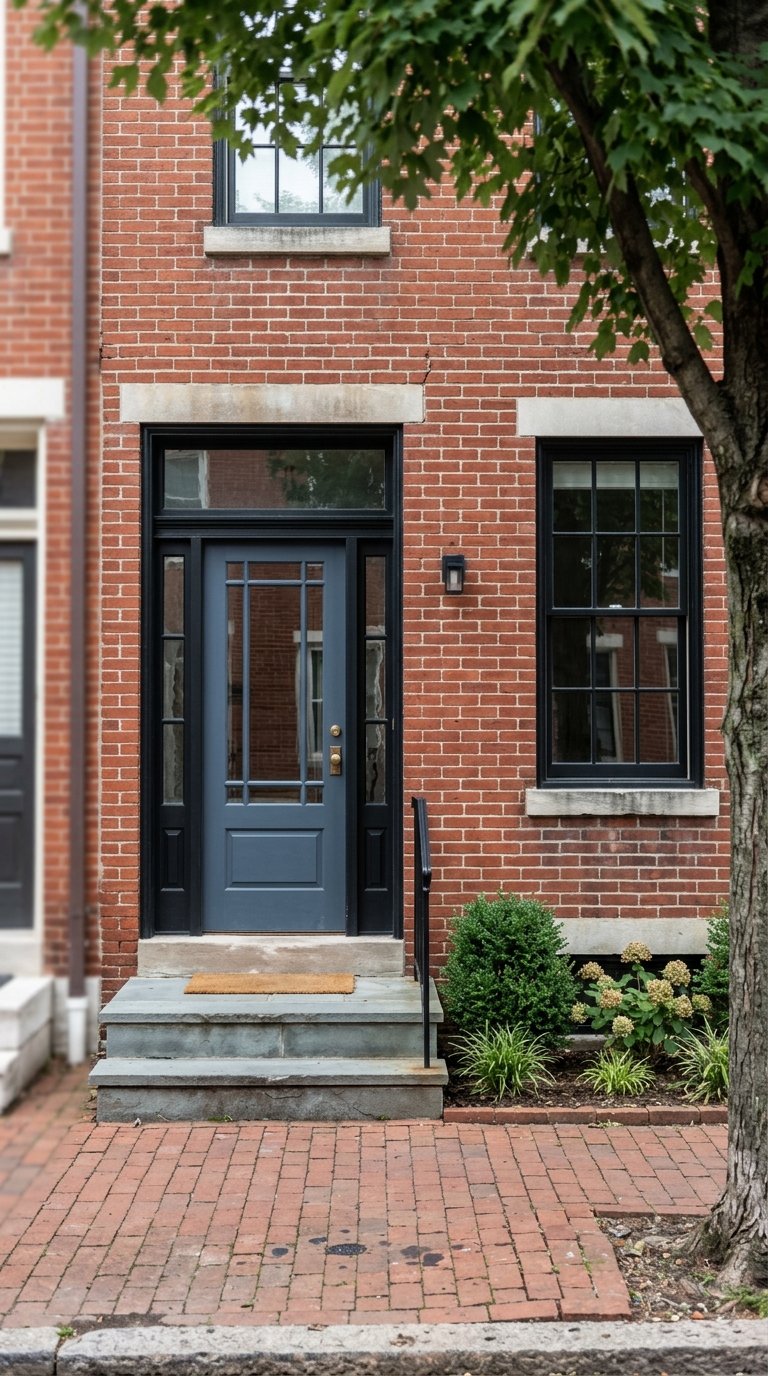
If you are drawn to places with real character, Bethlehem stands out right away. This is a city where colonial roots, industrial history, and modern-day arts and culture all shape what it feels like to live there. If you are thinking about buying or selling in Bethlehem, understanding how architecture, preservation, and lifestyle connect can help you make a smarter move. Let’s dive in.
Bethlehem’s Historic Identity
Bethlehem has a long and visible history, and that history is part of daily life in the city today. The City of Bethlehem describes the city as spanning Lehigh and Northampton counties, with a colonial and industrial past that continues to influence its present.
That identity gained even more attention in 2024, when Bethlehem’s Moravian Church Settlements were inscribed on the UNESCO World Heritage List. UNESCO describes Bethlehem as the first permanent, best-preserved, and most important Moravian settlement in North America.
Historic Bethlehem Museums & Sites helps tell that story through original buildings, collections, exhibits, and educational programs. Its network includes 20 notable historic sites, which gives you a sense of how deeply the city’s past is woven into the local streetscape.
Bethlehem Architecture You’ll Notice
One of the most appealing parts of Bethlehem living is the variety in its architecture. The city’s preservation guidelines note that Bethlehem includes both high-style and vernacular buildings, which means you will see everything from formal landmark structures to simpler homes with historic regional details.
Local historical sources describe the city’s built environment as including colonial Germanic architecture, early limestone and stone buildings, Victorian and colonial architecture, plus later styles such as Neoclassical, Italianate, Victorian, Colonial Revival, and Federal. That range creates a layered, lived-in feel that many buyers find hard to replicate in newer communities.
A good example is the 1810 Goundie House, which Historic Bethlehem Museums & Sites identifies as the first brick residence in the American Federal style built in Bethlehem. Details like that show how architecture here is not just attractive, but also part of a larger story.
Historic Home Features
In older Bethlehem homes, you will often see masonry exteriors, traditional porches, wood trim, and period windows. The city’s design guidelines also identify historic materials, forms, shutters, entrances, and decorative trim as character-defining features worth preserving.
For buyers, that usually means older homes offer strong architectural personality. It also means they may require a more careful approach to updates and maintenance, especially when original materials and visible exterior details are involved.
Newer Homes and Infill Design
Bethlehem is not limited to one housing experience. The city’s planning documents describe a mix of dense urban development and more suburban development, with housing types shaped over time by different economic eras and residential needs.
For newer construction, the city says new buildings should be visually compatible with their surroundings while still reflecting their own time. In practice, newer homes and infill properties often feel more contemporary in layout and materials, with less ornament and fewer preservation-related constraints than homes in the oldest parts of the city.
Older Versus Newer Living Experiences
If you are deciding between an older home and a newer one in Bethlehem, it helps to think beyond style alone. The choice often comes down to how you want to live, what kind of maintenance you are comfortable with, and how much flexibility you want for exterior changes.
Older homes typically offer more visible character and a stronger sense of connection to Bethlehem’s history. You may find original details, established streetscapes, and a setting that feels closely tied to the city’s historic identity.
Newer homes or infill properties often offer more contemporary floor plans and materials. They can be a better fit if you want updated systems, a simpler maintenance routine, or a home that feels more suburban in design and function.
Preservation Oversight Matters
In Bethlehem’s historic areas, exterior changes may require review before work begins. The city requires Certificates of Appropriateness before building permits in its special historic districts, and exterior changes in the Bethlehem Historic District are reviewed by HARB.
In South Bethlehem and Mount Airy, exterior review is handled by the Historic Conservation Commission. If you are considering a property in one of these areas, it is important to understand that updates to visible exterior features may involve an added approval step.
This does not mean historic ownership is difficult. It simply means you should go in with clear expectations about what can be changed, how long projects may take, and why retaining character-defining features matters to the city.
Culture Shapes Daily Life in Bethlehem
Bethlehem’s appeal is not just about homes. The city’s culture is a major part of what makes living here feel distinct, and much of that culture is tied to adaptive reuse, walkable history, and public gathering spaces.
The city highlights destinations such as the Colonial Industrial Quarter, the former Bethlehem Steel site, Historic Bethlehem Museums & Sites, Lehigh University Art Galleries, SteelStacks, the National Museum of Industrial History, and God’s Acre. Together, these places show how Bethlehem connects its past to current-day community life.
SteelStacks is especially important to that identity. ArtsQuest describes it as a 10-acre arts and culture campus on the former Bethlehem Steel site, while the National Museum of Industrial History occupies the former Electric Repair Shop on that same campus.
That kind of reuse gives Bethlehem a rare mix of heritage and energy. The city’s industrial story is still visible, but it has been adapted into places for events, arts, and everyday experiences.
Main Street and Walkable Heritage
Historic Bethlehem Museums & Sites points to self-guided and docent-led walking tours that often begin on Main Street. It also notes that people can walk through Historic Downtown Bethlehem, the Hoover-Mason Trestle, Burnside Plantation, and the Colonial Industrial Quarter without a tour guide.
For you as a buyer or seller, that matters because it shows the historic core is not isolated from daily life. It functions as a pedestrian-oriented area supported by museums, public spaces, and active destinations rather than as a purely preserved district set apart from the rest of the city.
Parks and Outdoor Spaces
Bethlehem’s outdoor amenities add another layer to its lifestyle appeal. The City of Bethlehem says it has more than 40 parks, including linear parks, water-feature parks, and smaller neighborhood pocket parks.
Highlighted trails and park spaces include Monocacy Way Trail along Monocacy Creek, Sand Island Trail along the Delaware and Lehigh Corridor, South Bethlehem Greenway, and South Mountain Park near Lehigh University. These spaces give residents access to walking, biking, and open-air recreation across different parts of the city.
Monocacy Park is another example of how history and outdoor life intersect in Bethlehem. The city describes Illick’s Mill as a restored grist mill located within the park, which reinforces how often the city’s natural and historic assets work together.
What This Means for Buyers
If you are buying in Bethlehem, start by narrowing your priorities. Do you want original character, period details, and a close connection to the city’s historic core, or do you prefer a more contemporary layout and fewer restrictions on exterior work?
It also helps to look at the property through both a lifestyle lens and a practical one. A beautiful older façade, original windows, or detailed trim may be exactly what you want, but those features may also come with added upkeep or review requirements depending on location.
A newer or infill home may offer a simpler day-to-day ownership experience. At the same time, many of these homes are still shaped by Bethlehem’s established streetscape, so they can feel connected to the city without requiring the same level of preservation sensitivity.
What This Means for Sellers
If you are selling a home in Bethlehem, the story of your property matters. Buyers are often responding not just to square footage, but to architecture, setting, and how the home fits into the larger character of the city.
For older homes, thoughtful presentation can help buyers understand the value of preserved details like masonry, porches, wood trim, or period windows. For newer homes, the opportunity may be to highlight contemporary function, lower-maintenance living, and compatibility with the surrounding neighborhood.
In either case, strong positioning matters. When a home is marketed with clear context around its style, location, and lifestyle advantages, it becomes easier for buyers to see where it fits their goals.
If you are thinking about buying or selling in Bethlehem, having a local guide who understands the difference between historic charm, modern convenience, and neighborhood context can make the process much clearer. When you are ready for strategic advice and responsive support, connect with Bernadette Rabel.
FAQs
What makes Bethlehem, PA historic for homebuyers?
- Bethlehem is known for its colonial and industrial history, and its Moravian Church Settlements were added to the UNESCO World Heritage List in 2024.
What home styles can you find in Bethlehem, PA?
- Bethlehem includes colonial Germanic, limestone and stone buildings, Victorian, Neoclassical, Italianate, Colonial Revival, and Federal architecture, along with newer compatible infill homes.
What should buyers know about historic districts in Bethlehem, PA?
- In certain historic and conservation districts, exterior changes may require review and approvals before work begins.
Are newer homes in Bethlehem, PA different from older homes?
- Yes. Newer homes and infill properties often have more contemporary layouts, newer materials, and fewer preservation-related constraints than older homes in historic areas.
What cultural attractions shape life in Bethlehem, PA?
- Key attractions include Historic Main Street, SteelStacks, the Colonial Industrial Quarter, the National Museum of Industrial History, and other museum and walking-tour destinations.
Does Bethlehem, PA offer parks and trails?
- Yes. The city has more than 40 parks, with notable options including Monocacy Way Trail, Sand Island Trail, South Bethlehem Greenway, South Mountain Park, and Monocacy Park.