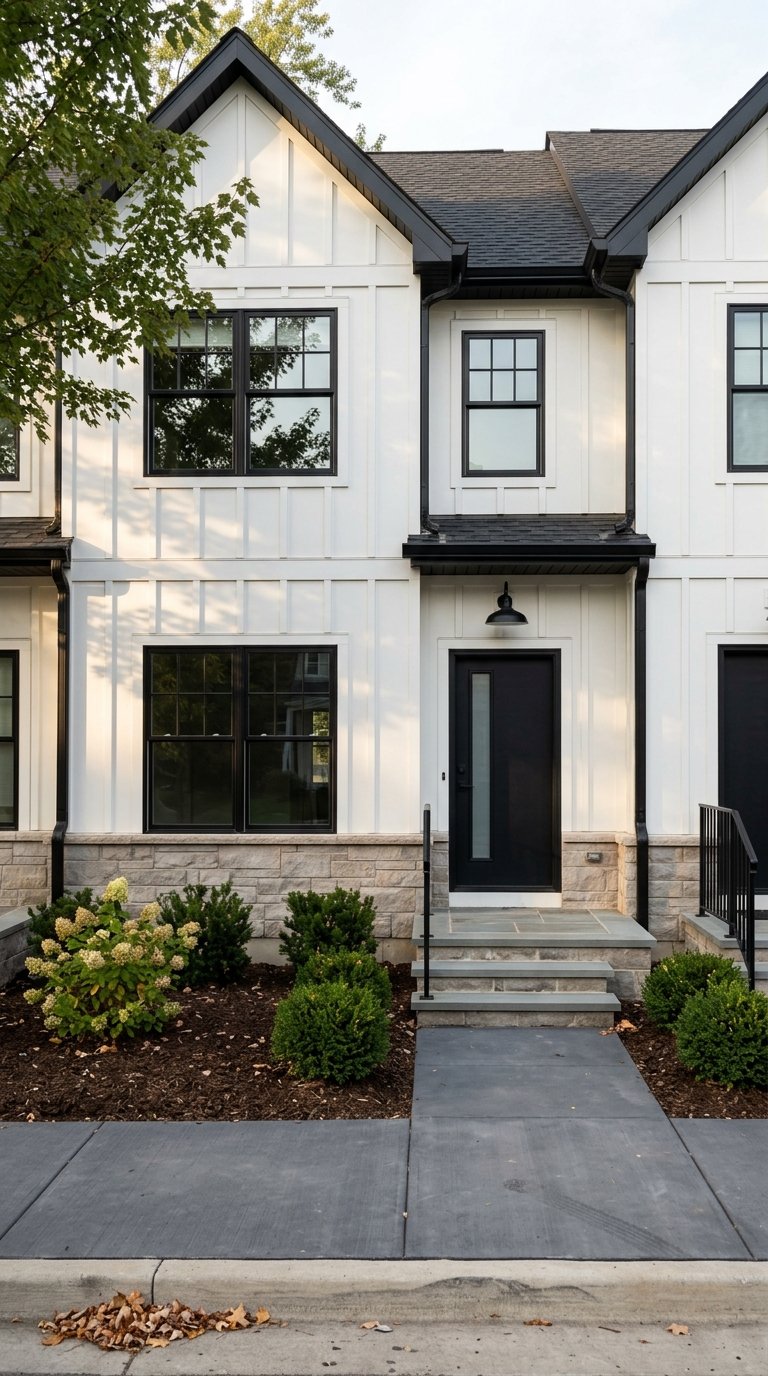
Wondering whether a townhome or condo in Northampton County is the right fit for your next move? You are not alone. For many buyers, attached-home living can offer a smart balance of ownership, convenience, and lower exterior upkeep, but the details matter more than most people expect. This guide will help you understand how townhomes and condos work in Northampton County, what costs to look at beyond the list price, and how to think about location, lifestyle, and community rules before you buy. Let’s dive in.
Townhomes And Condos In Northampton County
Northampton County is not just one type of housing market. It includes more compact city and borough settings, suburban townships, and rural areas, which means your experience with attached-home living can look very different depending on where you focus.
The county had an estimated population of 322,989 in 2024, and the average commute time was 27.0 minutes. That helps explain why townhomes and condos often appeal to buyers who want easier upkeep while staying connected to work, shopping, and major travel routes.
In general, attached homes tend to make the most sense in the county’s more developed and commuter-friendly areas. That often includes Easton, the Northampton County side of Bethlehem, Hellertown, Hanover Township, Bethlehem Township, Forks Township, Bushkill Township, and Lower Saucon Township.
If you are exploring Bethlehem, it helps to be precise. Bethlehem’s East Side and South Side are in Northampton County, while the West Side is in Lehigh County.
Townhome Vs. Condo Basics
A townhome, sometimes called a townhouse, is typically a two- or three-level home attached to another home by a shared wall. Many buyers like townhomes because they feel closer to a traditional house, just in a more compact form.
A condo is different because you own an individual unit within a larger building or community, while shared areas and facilities are owned collectively by the owners. Condos are often seen as a lower-maintenance and potentially more budget-friendly ownership option.
The key point is that building style and ownership structure are not exactly the same thing. Two properties may both look “attached,” but your maintenance responsibilities, fees, and community obligations can differ a lot from one property to another.
Why Attached Living Appeals To Buyers
For many Northampton County buyers, the biggest draw is simpler day-to-day ownership. If you want less yard work, less exterior maintenance, and a more predictable routine, a townhome or condo may line up well with your goals.
This can be especially appealing if you are buying for the first time, downsizing, or relocating to the Lehigh Valley and want a smoother landing. In those cases, the value is often less about square footage alone and more about convenience, maintenance, and access.
Attached-home living can also make sense if you want to stay close to the Easton-Bethlehem corridor and major roads like I-78, US 22, and Route 33. LANta bus service also supports travel in the Easton, Bethlehem, and Allentown corridor, so location can play a big role in daily ease.
Location Matters More Than The County Name
One of the biggest mistakes buyers make is assuming every condo or townhome community in Northampton County offers the same lifestyle. In reality, the setting can vary from urban and walkable to suburban and spread out to more rural.
Easton offers a more urban, waterfront-oriented environment and a long architectural history. Hanover Township has parks and a community center, while Hellertown offers proximity to I-78. Bushkill Township connects to Route 512 and Route 33, and Lower Saucon Township is known for its scenic Saucon Valley setting.
That mix matters because attached-home living is often strongest where you want convenient access to jobs, services, and commuter routes without taking on the upkeep of a detached home. If your priority is being close to major roads and everyday amenities, some communities will fit better than others.
The True Monthly Cost
The list price is only part of the affordability picture. With townhomes and condos, you also need to look closely at community fees, insurance responsibilities, and the possibility of special assessments.
HOA or condo dues are usually paid directly to the association and are usually separate from your mortgage payment. Those dues can range from a few hundred dollars per month to more than $1,000 per month, depending on the community and what is included.
That means a home that looks affordable at first glance may feel very different once you add the monthly fee. A smart comparison always looks at the full monthly cost, not just the purchase price.
What HOA Fees May Cover
Association fees often help pay for common area maintenance and community operations. In some communities, those fees may also support insurance coverage for shared areas or reserves for larger future expenses.
What is covered can vary widely by property. One community may include more exterior maintenance or stronger reserve funding, while another may have a lower fee but fewer included services.
That is why it is important to ask for specifics instead of assuming. A lower monthly fee is not automatically the better value if it leaves you exposed to more out-of-pocket costs later.
Special Assessments Can Change Affordability
Special assessments deserve extra attention. These are charges imposed by an HOA or condo association that can increase your real cost of ownership.
If a community has pending or recurring assessments, a low list price may not tell the full story. Buyers should understand whether any current or planned projects could add to their monthly or one-time housing costs.
This is one of the most important reasons to do careful due diligence before you commit. Predictable ownership usually starts with clear numbers.
Pennsylvania Resale Documents To Review
In Pennsylvania, buyers of resale condominiums and planned communities are entitled to important documents from the seller before contract or conveyance. These materials can give you a much clearer picture of how the community operates.
For condominium resales, the disclosure package includes the declaration, bylaws, rules and regulations, and a certificate with key financial details. That certificate can include the monthly common expense assessment, unpaid assessments, other fees, and proposed capital expenditures for the current and next two fiscal years.
Pennsylvania’s Planned Community Act has a similar resale-disclosure requirement. For buyers, this is a practical protection because it gives you a better chance to understand the community before moving forward.
Why Community Rules Matter
When you buy into a condo or townhome community, you are not just buying the unit. You are also buying into a shared set of standards and expectations.
An HOA board generally sets community standards, collects fees, and maintains common areas or common elements. The rules may address appearance, use, and shared spaces, so it is important to make sure the community fits how you actually want to live.
This is not a minor detail. HOA obligations are enforceable ownership obligations, and Pennsylvania law gives associations lien rights for unpaid assessments.
Insurance Is Not One-Size-Fits-All
Insurance can be confusing in attached-home communities, especially for first-time buyers. Many people assume the association fee covers everything, but that is usually not the case.
For condo purchases, association-paid fees usually include master insurance for common areas. However, the owner still needs separate insurance for the unit.
Before you buy, make sure you understand what the association insures and what you need to insure yourself. That step can help you budget more accurately and avoid surprises after closing.
A Smart Buyer Checklist
If you are comparing townhomes and condos in Northampton County, these are good questions to ask:
- What does the monthly fee cover?
- Is the association well funded?
- Are there planned capital projects?
- Are there any current or expected special assessments?
- What insurance does the association carry?
- What insurance will you need for your own unit?
- What do the rules say about appearance, use, and shared areas?
These questions can help you compare homes on more than looks alone. They also make it easier to spot the difference between a property that is simply attractive online and one that truly fits your budget and lifestyle.
Is A Townhome Or Condo Right For You?
A townhome or condo may be a strong fit if you want lower-maintenance living, easier exterior care, and access to commuter routes in and around Northampton County. That can be especially helpful if you are a first-time buyer, a downsizer, or relocating and want a more manageable ownership experience.
On the other hand, if you want more privacy, more control over the property, and fewer shared rules, a detached home may fit better. The right choice depends on how you live, what level of maintenance you want, and how comfortable you are with association fees and community standards.
The best decision usually comes from looking at the whole picture: location, monthly cost, rules, insurance, and long-term lifestyle. When those pieces line up, attached-home living can be a smart and practical move in Northampton County.
If you are weighing your options in Easton, Bethlehem, Saucon Valley, or nearby Northampton County communities, working with a local agent who can help you compare property types, community documents, and true monthly costs can make the process feel much clearer. When you are ready to talk through your next move, connect with Bernadette Rabel.
FAQs
What is the difference between a townhome and a condo in Northampton County?
- A townhome is typically a two- or three-level attached home with shared walls, while a condo is an individually owned unit within a larger building or community with shared ownership of common areas.
What do HOA fees cover in Northampton County condo and townhome communities?
- HOA or condo fees may cover common area maintenance, community operations, insurance for shared areas, and reserve funds for larger expenses, but coverage varies by community.
Are HOA fees included in a mortgage payment for Northampton County attached homes?
- HOA or condo dues are usually paid directly to the association and are usually separate from the mortgage payment.
What should buyers review before purchasing a Northampton County condo resale?
- Buyers should review the declaration, bylaws, rules and regulations, and the resale certificate showing assessments, unpaid fees, other charges, and proposed capital expenditures.
Are townhomes and condos common in all parts of Northampton County?
- No. Attached-home options are generally more concentrated in compact and commuter-friendly areas such as Easton, the Northampton County side of Bethlehem, and nearby suburban communities rather than the county’s more rural townships.
Do condo buyers in Northampton County still need their own insurance?
- Yes. Even if the association carries master insurance for common areas, the owner still typically needs separate insurance for the unit.