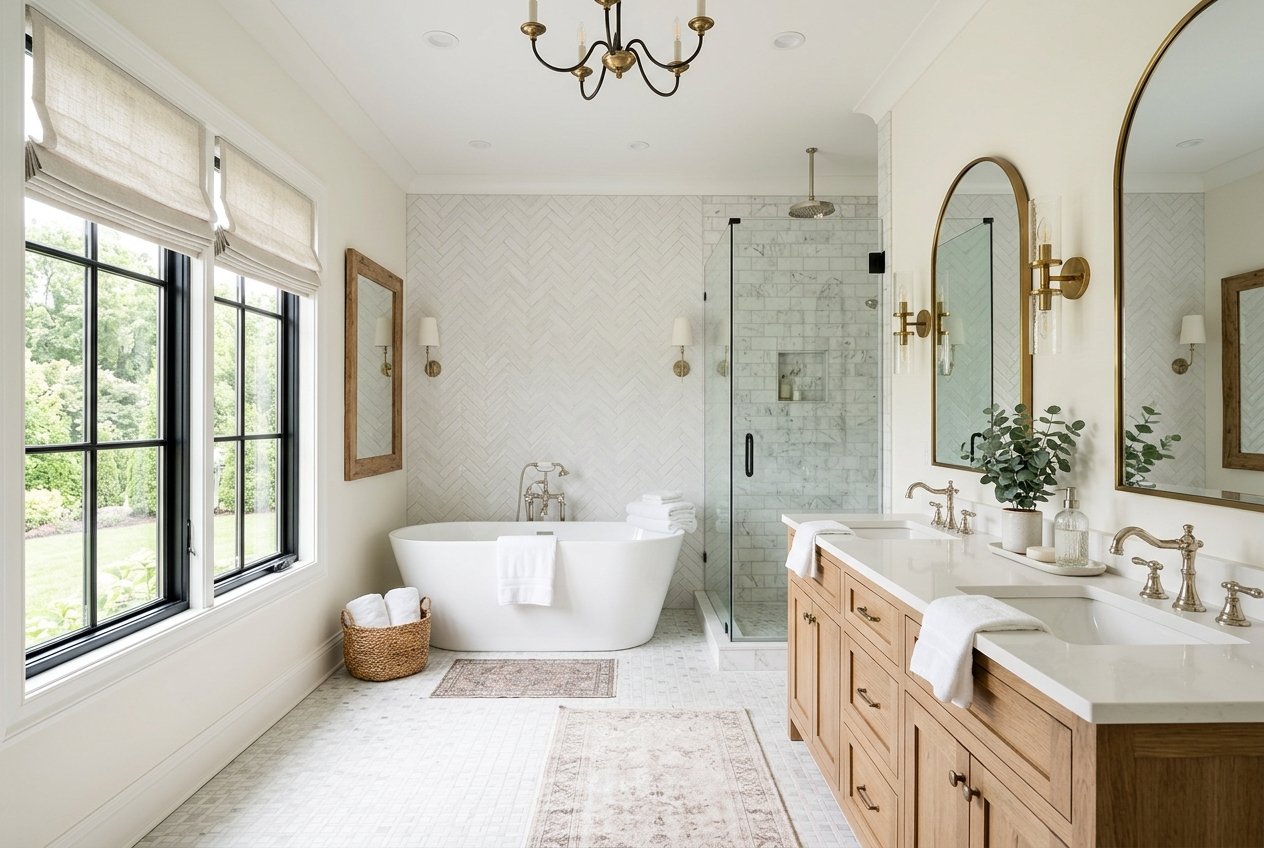
If your home looks average online, many buyers will never make it to the front door. In Allentown’s current balanced market, you cannot count on low inventory alone to carry your listing. A strong online launch helps you make the right first impression, attract serious interest, and support your price from day one. Let’s dive in.
Why online launch matters in Allentown
Allentown is not a market where sellers can rely on momentum alone. Current local data shows 378 homes for sale, a median listing price of $264,250, a median days on market of 23 days, and a sale-to-list price ratio of 100%. That tells you buyers are active, but they also have options.
Your first showing usually happens on a screen. National buyer research shows 43% of buyers begin by searching online, 52% found the home they bought on the internet, and 69% used a mobile device or tablet during their search. That means your listing needs to look polished, clear, and inviting before anyone schedules a tour.
Photos matter most to many buyers, especially early in the search. Research also shows buyers’ agents see photos, videos, virtual tours, and physical staging as important parts of a listing package. For you as a seller, that means your launch should feel coordinated, not pieced together.
Start with pricing and positioning
A standout launch is not only about great photos. It also depends on pricing the home in a way that matches your specific part of Allentown. Citywide averages can be helpful for context, but neighborhood-level pricing is usually more useful.
That matters because Allentown pricing varies quite a bit by area. Current median list prices range from about $219,500 in Center City to about $339,000 in the West End, with Eastside around $260,000 and Southside around $299,900. If you price from the wrong comparison set, even strong marketing can lose traction.
National forecast commentary also points to a common seller mistake. Homes priced even 3% to 5% above market may sit longer and require bigger reductions later. A polished online debut works best when the asking price and the presentation support each other.
Fix what buyers will notice first
Before professional media is scheduled, walk through your home as if you were seeing it for the first time on your phone. Obvious wear, unfinished repairs, and distracting maintenance issues can pull attention away from the home’s best features. If something will stand out in photos or video, it usually deserves attention before launch.
A practical way to think about pre-list prep is to sort issues into three groups:
- Must-repair items
- Must-disclose items
- Cosmetic items that affect first impressions
This structure helps you focus your time and budget. Some items should be fixed because they weaken the visual presentation. Others may still need to be disclosed even if they are not front and center on camera.
Know Pennsylvania disclosure rules
In Pennsylvania, sellers of most residential properties must disclose known material defects before signing the agreement of transfer. A material defect is a problem that could significantly affect the property’s value or create an unreasonable risk to people on the property. This includes issues involving the roof, basement or crawl spaces, pests, structure, plumbing, HVAC, electrical, water and sewage systems, soils and drainage, hazardous substances, and certain legal or association matters.
That means selling a home "as-is" does not mean skipping disclosure. If you know about a material issue, you may still need to disclose it. A strong launch is not just attractive. It should also be accurate.
Before your home goes live, it helps to gather records tied to past repairs and maintenance. That can include permits, invoices, roof history, appliance ages, water intrusion history, and notes on recurring issues. Good documentation can reduce surprises later and help your listing tell a more trustworthy story from the start.
Prep the rooms that matter most
Not every room carries the same weight online. According to staging research, the spaces that matter most are the living room, primary bedroom, and kitchen. The dining room and yard or outside space also matter, especially because buyers often form impressions quickly while scrolling.
If your time is limited, start with the rooms buyers notice first and remember most. A bright, open living area signals comfort and function. A calm primary bedroom can make the home feel more move-in ready, and a clean kitchen often shapes how buyers judge the rest of the property.
Living room
Keep the living room simple and easy to read in photos. Remove extra furniture that blocks pathways or makes the room feel smaller. Clear surfaces, limit personal items, and let natural light do as much work as possible.
Primary bedroom
The primary bedroom should feel restful and spacious. Use neutral bedding, reduce visual clutter, and remove anything overly personal. The goal is to help buyers picture the room’s size and purpose without distractions.
Kitchen
In the kitchen, clear counters as much as possible. Store small appliances, minimize decor, and make sure finishes look clean and bright. Since buyers often zoom in on kitchen photos, even small details can affect how updated and cared-for the home feels.
Dining room and exterior
The dining room does not need to be elaborate, but it should have a clear use and a clean layout. If the space feels undefined, simple furniture and fewer accessories can help it read better online.
Outside, treat curb appeal as part of your photo strategy, not a separate task. Tidy landscaping, swept walkways, fresh mulch if needed, and a clean front entry all help the home feel intentional in the first few listing images.
Declutter, clean, and simplify
Decluttering is one of the highest-impact steps you can take before launch. Too much furniture, crowded shelves, or overfilled closets can make a home feel smaller in photos. Clean lines and open surfaces help rooms look brighter and more spacious.
Deep cleaning matters just as much. Buyers may not consciously notice every detail, but they can absolutely feel the difference between a home that looks freshly prepared and one that looks lived-in. Windows, floors, kitchens, bathrooms, and entry points deserve special attention.
Try to edit each room down to its purpose. If a space serves too many functions, the photos may feel confusing. Online, clarity sells better than complexity.
Use media as a full package
Today’s listing launch should be treated like a digital presentation. Buyers’ agents report that photos, staging, videos, and virtual tours all matter to clients. Since so many buyers search online first, your media package often shapes the level of interest before the first showing request comes in.
Professional visuals are especially important because many buyers search on mobile devices. On a smaller screen, dark rooms, clutter, and awkward angles become even more noticeable. Clean composition, bright lighting, and thoughtful staging help your home stand out fast.
Virtual staging can help in certain cases, especially if a room is empty or hard to understand. But it should support the presentation, not replace real preparation. Research suggests physical staging and professional media still rank as more important than virtual staging for many buyers’ agents.
Coordinate the launch timing
A standout launch works best when everything is ready at once. If photos are taken before repairs are done, or if the price is set before neighborhood comparisons are fully reviewed, the listing may lose momentum right away. First impressions are hard to reset once buyers have already seen the home online.
Aim to line up the core pieces before going live:
- Pricing based on recent neighborhood comps
- Completed visible repairs
- Decluttered and cleaned interiors
- Camera-ready exterior spaces
- Professional photos and video
- Accurate property details and disclosures
This kind of coordination gives your home the strongest possible debut. It also supports a smoother showing period because buyers arrive with expectations that match what they saw online.
Think local, not generic
One of the biggest mistakes sellers make is preparing for the market in general instead of preparing for their micro-market. Allentown includes areas with meaningfully different price points and buyer expectations. What works for one neighborhood may not be the best fit for another.
That is why local pricing strategy and launch planning matter. Your home should be positioned against recent nearby competition, not just broad city averages. In a balanced market, that kind of precision can make the difference between a listing that gets strong early attention and one that needs a reset.
A thoughtful online launch is really about aligning three things: condition, pricing, and presentation. When those pieces work together, your home has a much better chance to attract serious buyers quickly and make the most of those crucial first days on the market.
If you are getting ready to sell in Allentown, the right preparation can make the entire process feel more strategic and less stressful. For high-touch guidance, polished marketing, and a smart local launch plan, connect with Bernadette Rabel.
FAQs
What should you do before listing photos for an Allentown home?
- Declutter, deep clean, finish obvious visible repairs, and make the exterior look neat and maintained before photos and video are taken.
Which rooms matter most when staging an Allentown home for online buyers?
- The living room, primary bedroom, and kitchen matter most, with the dining room and exterior or yard also playing an important role.
Does selling a home as-is in Pennsylvania remove disclosure requirements?
- No. Pennsylvania sellers of most residential properties still must disclose known material defects before signing the agreement of transfer.
Why are photos and video so important for an Allentown listing launch?
- Many buyers start their search online, many use mobile devices, and photos are one of the most useful listing features for buyers reviewing homes.
Why should Allentown sellers use neighborhood comps instead of city averages?
- Allentown has meaningful price differences by area, so recent neighborhood comparisons usually provide a more accurate pricing strategy than a broad citywide average.