If you are thinking about a move to Northampton County, one thing helps to know right away: this is not a one-note place. You can find walkable downtown blocks, riverfront recreation, suburban neighborhoods, and rural roads with open land, often within the same short drive. That variety is a big reason so many buyers are drawn here, and it is also what can make your search feel a little overwhelming at first. This guide will help you picture what daily life is really like in Northampton County so you can narrow in on the right fit for your lifestyle. Let’s dive in.
Northampton County at a glance
Northampton County offers a mix of settings across 369.79 square miles, with an estimated population of 324,411 and 131,019 housing units, according to the U.S. Census QuickFacts. The county has a 71.1% owner-occupied housing rate, a median owner-occupied home value of $308,600, and a median gross rent of $1,395.
Those numbers point to a market with strong homeownership and a broad range of living options. The average commute time is 27.0 minutes, which helps explain why many people can balance work, recreation, and everyday errands without feeling far from everything.
Lifestyle varies by area
One of the best ways to understand Northampton County is to think of it as several lifestyles woven together. The county’s community profiles highlight historic boroughs, suburban townships, riverfront areas, and rural communities, all within the same region.
That means your experience here can look very different depending on where you land. If you want restaurants and events nearby, one part of the county may fit you best. If you want more open space and a quieter setting, another area may feel more like home.
Walkable downtown living
If you want the most walkable day-to-day lifestyle, Easton is one of the clearest examples. According to the Downtown Easton overview, the city features more than 50 eateries, year-round festivals, and America’s oldest open-air farmers’ market.
Easton also has a strong riverfront identity. The county notes that the waterfront includes boat launch access, bike trails, fishing, and pedestrian connections along the Delaware and Lehigh rivers through its community pages. For many residents, that translates into a lifestyle built around coffee shops, market mornings, trail walks, and downtown dining.
Bethlehem adds history and events
Bethlehem brings a larger historic city feel to Northampton County. The city’s business welcome packet says Bethlehem has about 75,000 people and highlights two downtown districts, the Historic Moravian District and the SouthSide Arts District, along with recurring events like Musikfest, Christkindlmarkt, Christmas City Village, and monthly First Fridays.
That gives Bethlehem a lively, year-round rhythm. It is a place where historic character and community events are part of daily life, especially in the Northampton County sections that include the East Side, South Side, and Center City, as noted in the city packet.
Smaller boroughs offer classic main-street appeal
Northampton County also includes smaller boroughs that feel more intimate while still offering local character. The county describes Hellertown as a mostly residential community with businesses on Main Street, Dimmick Park, Lost River Caverns, and convenient access to I-78 through its municipal overview.
Freemansburg adds a river-oriented setting with access to the Delaware & Lehigh Canal corridor, including Lock 44, the original lock keeper’s house, the restored Mule Barn, and towpath access. These details help paint a picture of borough living that feels connected, historic, and rooted in place.
Rural areas and open space
If you picture home as more space, less density, and a landscape shaped by farmland and open land, Northampton County has that too. Several of the county’s outer townships are described in explicitly rural or agricultural terms in the county community profiles.
Forks Township says nearly 55% of its land is used for agriculture. Moore Township describes itself as a large rural community defined by agriculture, single-family residences, and open space, while Lehigh Township identifies as predominantly agricultural, rural, and residential.
Lower Nazareth describes slow, controlled growth in rich farmland, and Lower Mount Bethel notes that development is concentrated mainly along major highways and the Delaware River. East Allen also reflects a mix of residential and agricultural uses. For buyers, this means you can often choose between a more active downtown feel and a quieter, land-oriented setting without leaving the county.
What homes look like here
Housing style is another area where Northampton County offers variety. In the boroughs and older city neighborhoods, the county’s descriptions suggest older and denser housing stock, especially in places like Easton and Bethlehem where architecture spans generations and reflects colonial and industrial history.
In practical terms, you may picture historic brick or stone homes, rowhouses, twins, and older in-town single-family homes in those walkable areas. That housing description is an inference supported by the county’s official community summaries, not a parcel-by-parcel survey.
Township housing tends to be more spread out
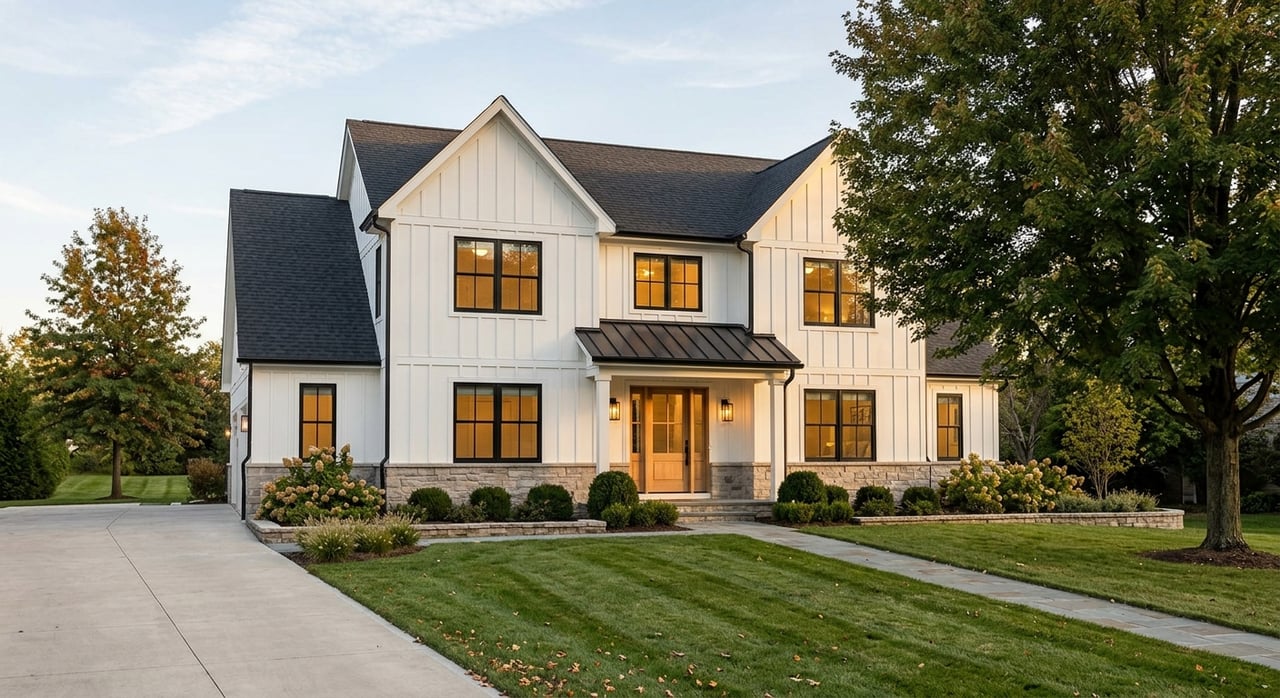
In the townships, the county’s language points toward more detached homes and larger lots. Moore Township highlights single-family residences, and Forks Township emphasizes a rural atmosphere despite growth. Lower Mount Bethel notes riverfront housing that developed mainly as summer cottages, with little suburban development elsewhere.
If you are comparing lifestyle options, this often means the outer parts of the county are more likely to offer detached homes, farmhouses, ranches, split-levels, colonials, and newer subdivision homes. The right choice depends on whether you value walkability, privacy, lot size, housing age, or a mix of all four.
Commuting and getting around
Northampton County works well for people who want regional access without giving up local convenience. The Census QuickFacts list the average commute at 27.0 minutes, which gives a useful benchmark for what daily travel may look like.
Roadways play a major role in that routine. Northampton County Public Works notes that the county maintains 119 bridges and handles lighting for interchanges on Routes 22 and 33, which reflects how important the road network is to everyday movement across the county.
Transit exists, but cars shape most routines
Public transportation is available through LANTA, which provides fixed-route bus service and demand-response service within Lehigh and Northampton counties and nearby communities. At the same time, the county’s infrastructure and municipal descriptions suggest that most daily routines are still shaped by roads, commuting corridors, and easy car access.
For many residents, that creates a practical balance. You can enjoy a historic downtown, a suburban neighborhood, or a rural township while still staying connected to the wider Lehigh Valley.
Parks, trails, and weekend rhythm
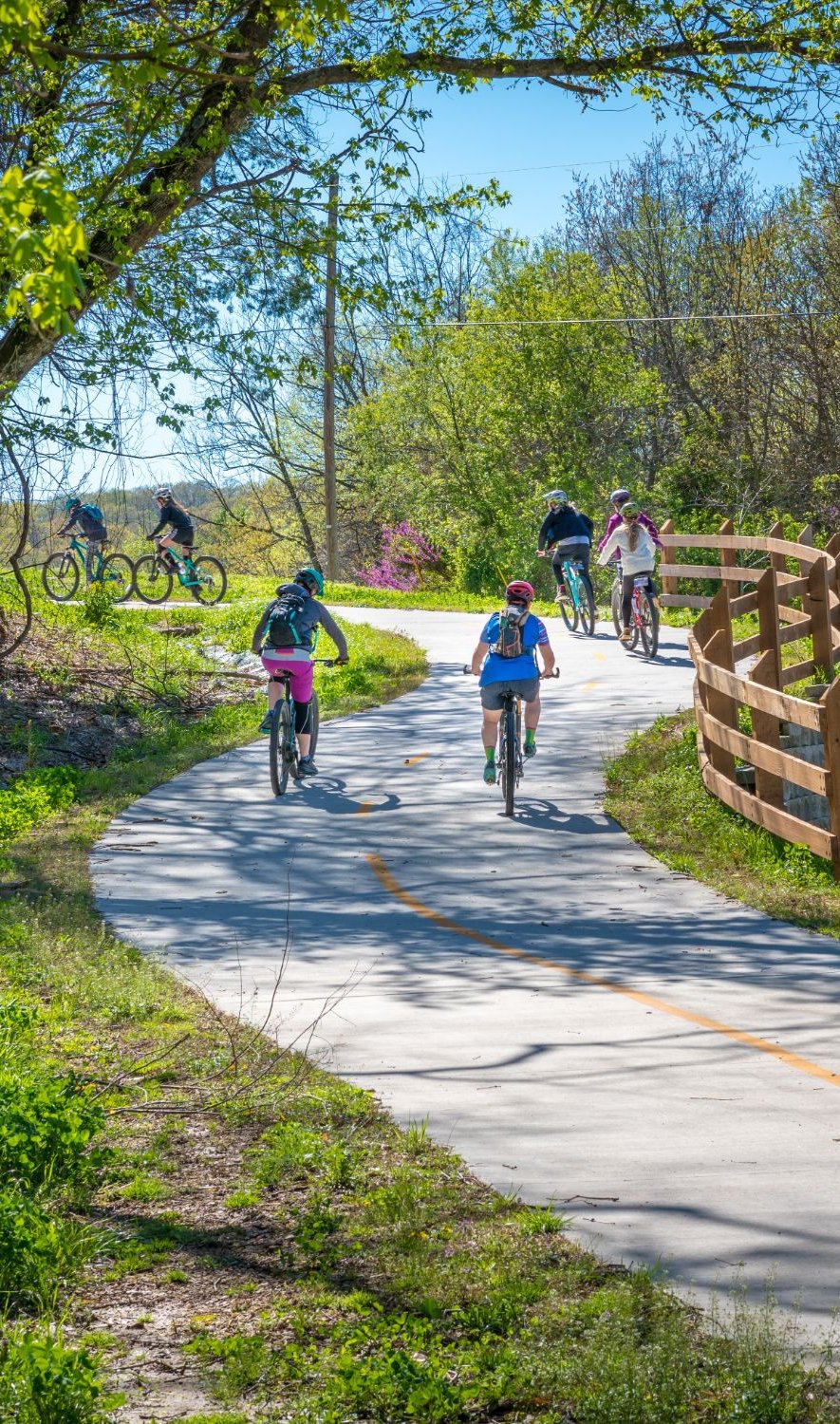
One of Northampton County’s strongest lifestyle advantages is how easy it is to weave outdoor recreation into regular life. The county says its park system includes 24 county-owned parks, trails, and conservation lands spanning 2,400 acres.
That matters whether you are looking for a quick evening walk, weekend bike ride, or a more active routine close to home. Outdoor access is not limited to one corner of the county. It is part of the county’s overall identity.
Riverfront and trail access stand out
The Easton waterfront adds bike paths, river access, and pedestrian connections, while the Delaware & Lehigh Trail runs through communities along its 165-mile route. Those features help connect recreation, local history, and daily life in a way that feels especially distinctive here.
For many people, weekends in Northampton County can revolve around farmers’ markets, downtown meals, trail time, park visits, and seasonal events. That blend of practical living and lifestyle appeal is part of what makes the county feel dynamic rather than purely suburban or purely rural.
Is Northampton County a good fit for you?
Northampton County tends to appeal to buyers who want options. You can find walkable neighborhoods with restaurants and events, residential boroughs with local charm, and townships with more land and breathing room. The county’s mix of housing, recreation, commuting access, and established communities gives you room to define what home should look like for your next chapter.
If you are relocating, buying your first home, or trying to compare borough living with township living, local guidance can make the process much clearer. A county with this much variety is exciting, but it also takes strategy to match the right area to your goals.
If you are thinking about a move in Northampton County or anywhere in the Lehigh Valley, Bernadette Rabel can help you compare communities, understand your options, and make a smart move with confidence.
FAQs
What is daily life like in Northampton County?
- Daily life in Northampton County can range from walkable downtown living in places like Easton and Bethlehem to quieter suburban and rural routines in the townships, with parks, trails, riverfront access, and seasonal events playing a big role.
What are the most walkable areas in Northampton County?
- Based on the county’s community profiles, Easton, Northampton County sections of Bethlehem, Hellertown, and Freemansburg offer some of the county’s strongest walkable historic-main-street and riverfront settings.
Where does Northampton County feel the most rural?
- Moore Township, Lehigh Township, Lower Mount Bethel, Lower Nazareth, and parts of Forks and East Allen are among the clearest examples of rural or semi-rural living in Northampton County.
What kinds of homes are common in Northampton County?
- Buyers can expect a mix of older borough housing in places like Easton and Bethlehem, including historic in-town homes, along with detached single-family homes on larger lots in many of the townships.
How long is the average commute in Northampton County?
- According to U.S. Census QuickFacts, the average commute time in Northampton County is about 27 minutes.
What makes Northampton County appealing to homebuyers?
- Northampton County appeals to many homebuyers because it combines diverse housing options, strong homeownership, regional access, outdoor recreation, and a mix of historic, suburban, and rural settings within one county.